Gap of Dunloe: Complete Trail Guide
Everything you need to know about hiking Ireland's most iconic mountain pass, from difficulty levels to detailed route descriptions.
Read GuideUnderstanding weather patterns, wildlife, and crowd levels to plan your perfect visit to Kerry's most dramatic mountain pass
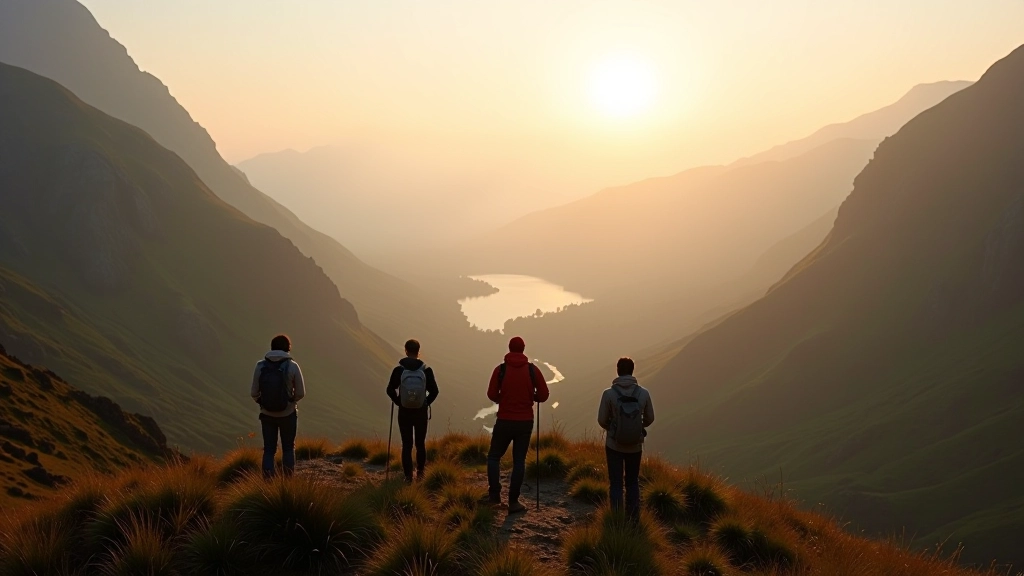

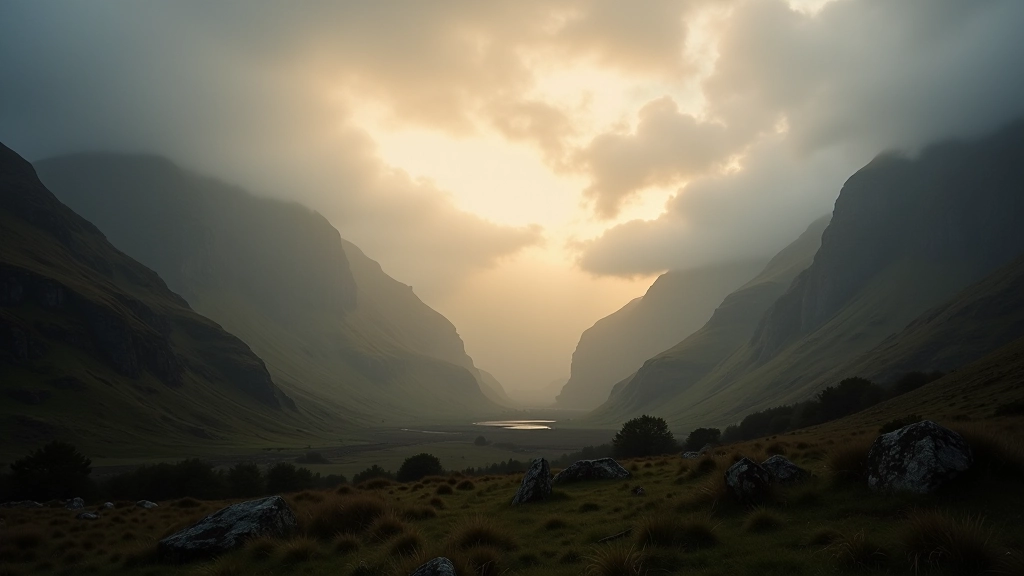
The Gap of Dunloe isn't a place where one season is universally "best." It's genuinely different throughout the year — and what works for you depends on what you're hoping to experience. Some people want the wildflowers and mild weather. Others prefer solitude. And some come specifically to see how the mountains look when they're wrapped in mist.
We've spent years walking these trails across every season, and we're going to break down what each time of year actually offers. Not the romantic version — the real version.
Spring is when the Gap starts to wake up. The worst of the winter weather's gone, but you're not quite into the peak tourist season. Temperatures climb to around 10-14°C (50-57°F), which means you can walk without feeling like you're in a freezer. Plus, the daylight's stretched out — you'll get decent light until 8 or 9 PM.
The real draw here is the wildflowers. Bluebells carpet the lower sections. Gorse blooms bright yellow on the slopes. It's genuinely spectacular if you time it right, usually peaking in late April through early May. The mountains are still dramatic — you'll get mist and clouds — but there are more clear days than winter.
Crowds? Manageable. You're not dodging hundreds of people on the path. Rainfall is moderate — expect wet days, but not the constant downpour of winter.
Summer is peak season, and there's a reason. Temperatures reach 15-18°C (59-64°F) on average — practically balmy for Kerry. The days are long (sunset after 9 PM in June). And statistically, you'll get more dry days than any other season.
But here's what nobody tells you: summer also means crowds. Lots of them. We're talking packed paths on weekends, especially in July and August. Tour buses drop groups at the starting points. Parking becomes genuinely difficult. The experience is still beautiful, but it's not solitary.
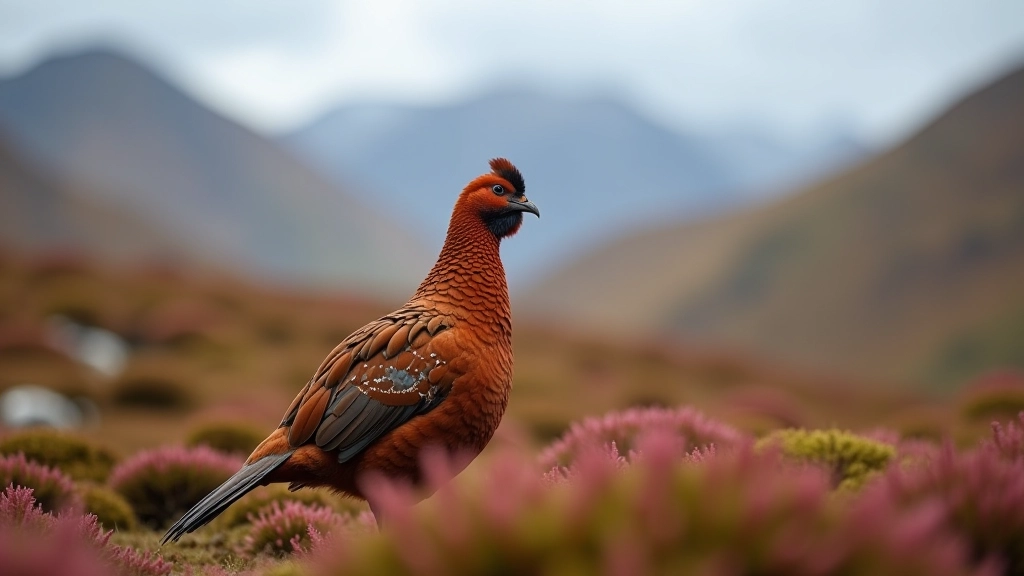
If you do visit in summer, go midweek. Tuesday or Wednesday mornings, you'll have the Gap almost to yourself. The wildlife — red grouse, mountain hares, buzzards — is active, but they tend to avoid the busiest paths. Wildflowers are mostly done by June, but the heather blooms from late July through August in purples and pinks.
September is genuinely underrated. The summer crowds vanish almost overnight after the school holidays end. Temperatures are still pleasant — 12-16°C (54-61°F). The light changes, becoming softer and more dramatic. And there's a real sense of solitude you won't find in summer.
October brings cooler weather and more unpredictability. Rainfall increases. But if you catch a clear day, the colors are spectacular. The heather fades to russet and brown. The ferns turn bronze. There's a melancholy beauty to it.
This is also when the red deer move to lower elevations as they prepare for winter. If you're serious about wildlife watching, September and October are better than summer — you'll actually see animals because there aren't crowds scaring them away.
Winter is hardcore mode. Temperatures drop to 4-8°C (39-46°F). Wind is constant and powerful. You'll get genuine snow on the high passes, usually from December through February. Rain is frequent and heavy — the Gap sees around 100+ rainy days per year, and winter claims most of them.
But here's what makes winter special: you'll be alone. Genuinely alone. The mountains become this raw, elemental place. Mist rolls through the valleys. The light's weak and moody. If you're prepared and experienced, it's unforgettable. If you're not, it's genuinely dangerous.
Winter is also when the mountains look most dramatic. The bare rock shows. The streams run fast and loud. Wildlife includes mountain hares in their white winter coat (though they're hard to spot), red grouse, and if you're very lucky, a golden eagle drifting over the ridges.
You need proper gear for winter. Waterproof everything. Good boots with grip. And honestly? Go with someone who knows the trail. Winter weather can close paths or make them treacherous fast.
Beyond just the season, there are other timing factors that matter. Weekdays are quieter than weekends — that's consistent year-round. A Tuesday in July is nothing like a Saturday in July. If you're flexible, that's your biggest advantage.
Time of day matters too. Most organized tour groups arrive between 10 AM and 2 PM. If you start your walk at 7 AM, you'll have the path mostly to yourself even in high season. By 5 PM, the day-trippers are heading back to their hotels. Evening light is also extraordinary — soft and golden — though you need to make sure you've got time to finish before dark.
Weather forecasts become more accurate 5–7 days out, but the mountains genuinely don't care about what the forecast says. Mist can roll in within minutes. Rain can start and stop randomly. The best approach? Check the forecast, plan your route, but stay flexible. If conditions aren't safe, turn back. The Gap will still be there next week.
If you're visiting specifically for wildlife, timing is crucial. Summer is the worst time — crowds and noise drive animals away. You're better off in spring (March–May) or autumn (September–October) when it's quieter.
Red grouse are present year-round, but you'll notice them more in spring when they're calling. Red deer move to higher elevations in summer and drop to lower ground in autumn — September through November is peak deer season. Mountain hares are around always, but they're most visible in winter when their coat turns white against the brown landscape.
Golden eagles occasionally drift over the high passes, more commonly in autumn. Buzzards are regular. Skylarks sing in spring and summer. Ravens are year-round residents.
The trick to seeing wildlife isn't the season — it's being quiet, moving slowly, and avoiding the main paths. That early morning start? You'll see far more animals between 6–8 AM than you will all day when the crowds arrive.
If you're asking "what's the best time?" the real answer is: it depends entirely on what you want. Want guaranteed good weather? June or July. Want solitude? September, October, or early March. Want to see wildflowers? Late April through May. Want an authentic mountain experience with minimal crowds and real drama? Autumn. Want to understand why the Gap is genuinely wild? Go in winter.
There's no wrong answer. Every season offers something different. The key is understanding what you're getting into, being prepared for the conditions, and matching your expectations to reality. That's how you don't just visit the Gap of Dunloe — you actually experience it.
Check out our complete trail guide for detailed route information, difficulty levels, and what to bring for any season.
Read the Complete Trail GuideThis article provides educational information about visiting the Gap of Dunloe. Weather conditions in mountain regions are unpredictable and can change rapidly. Always check current weather forecasts, trail conditions, and safety advisories before your visit. We recommend consulting local guides or visitor centers for the most up-to-date information about trail accessibility and conditions. Mountain activities carry inherent risks — visit only if you're physically prepared and equipped for the terrain and weather conditions expected during your visit.