
What You'll Experience
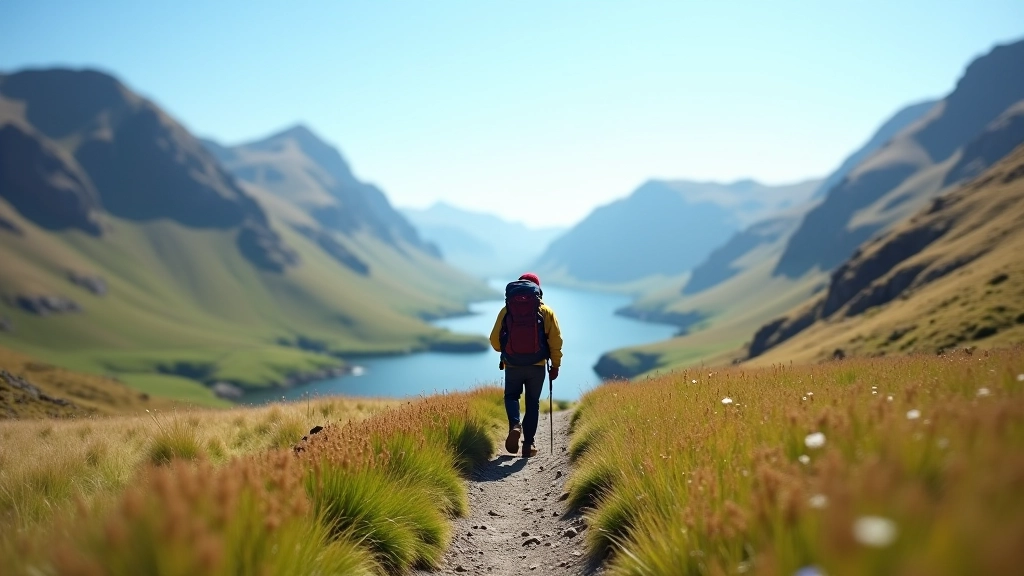
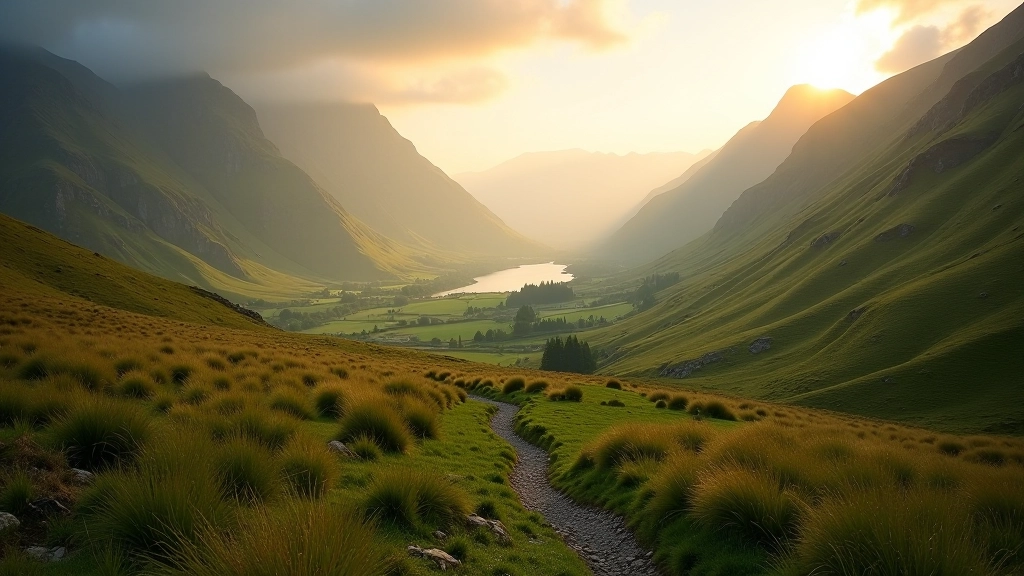
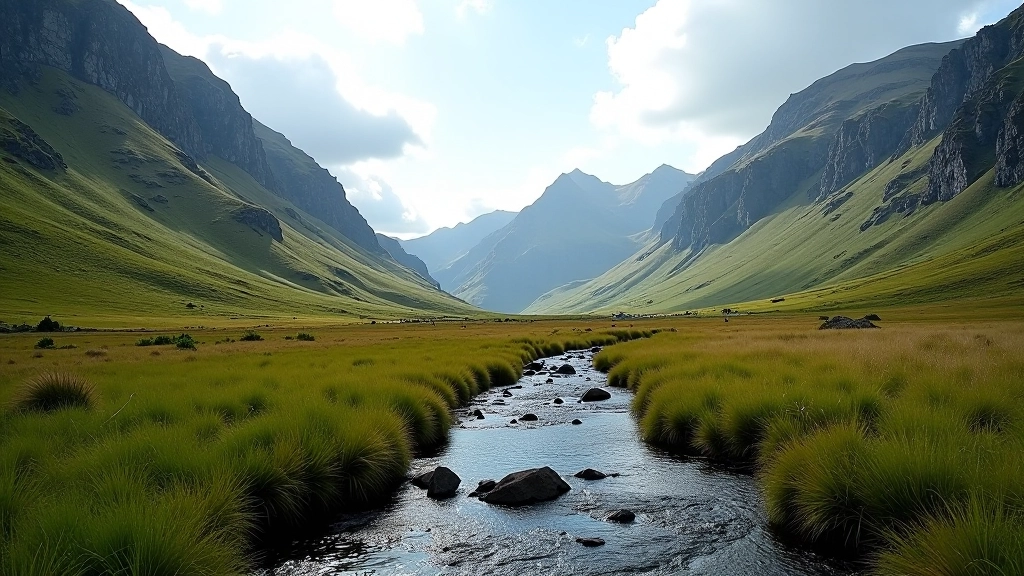
The Gap of Dunloe isn't just another hiking trail. It's one of Ireland's most dramatic natural corridors, where you're surrounded by steep mountain ridges, alpine streams, and hidden lakes. The trail winds through a 6.5-kilometer pass that feels timeless — remote but not dangerous, challenging but absolutely doable for intermediate hikers.
The Landscape
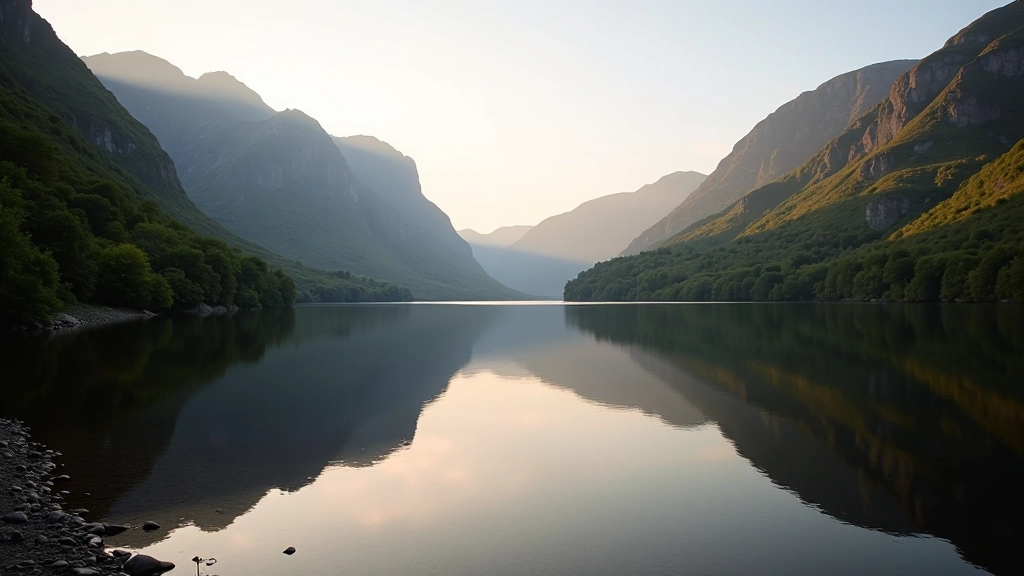
The Gap cuts through the Macgillycuddy's Reeks range, and you're walking between some of Ireland's highest peaks. Purple mountain slopes rise on either side. There's water everywhere — small streams cross the path, and you'll encounter the Black Lough and Coumdueal Lough, both stunning mirror-still lakes that reflect the peaks perfectly. The terrain varies: sections are rocky and rough underfoot, other stretches are gentler grass paths. It's not muddy usually, but after heavy rain the streams swell and crossing becomes genuinely technical.
You're not alone on this trail, though it doesn't feel crowded. Tour groups and day-hikers are common, especially in summer. But it's wide enough that you can find quiet pockets. The walk takes 3-4 hours for most people, depending on pace and how many photos you stop for.
Getting Started
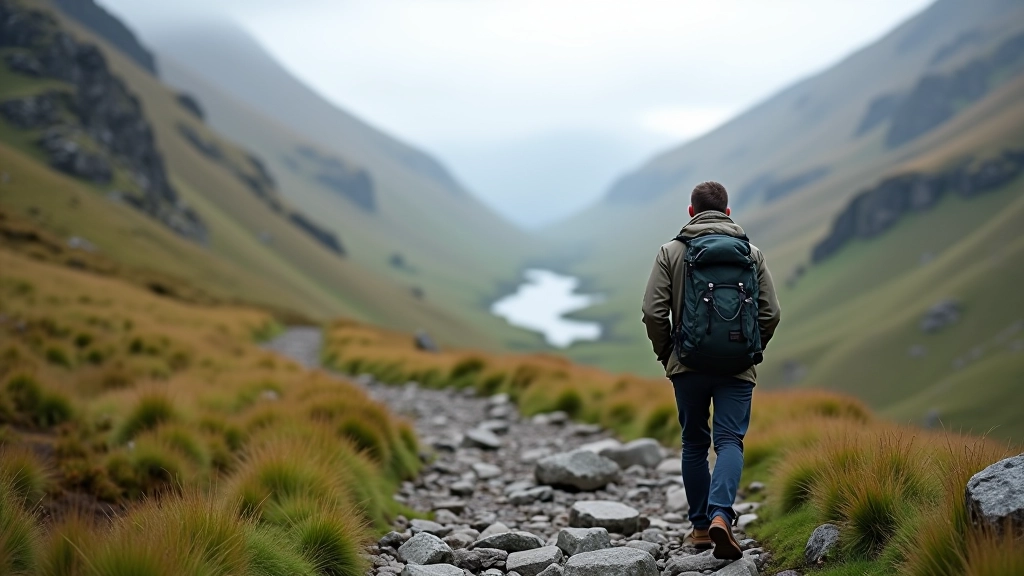
You'll start at the main car park near the Dunloe Castle Hotel. Parking fills up fast — weekends in July and August mean you're competing for spaces. Arrive early or go midweek if you can. The park has basic facilities: toilets and a small café. From here, the trail heads south into the Gap. There's a signposted entry, so navigation is straightforward. The first section climbs gradually through moorland before the landscape opens up dramatically.
The actual hiking difficulty? It's moderate. You're not scrambling up vertical cliffs. But the terrain is uneven and rocky, so good boots matter. We're talking solid ankle support, decent tread. And yes, you'll use your hands occasionally to steady yourself on steeper sections. That's normal here. First-timers often underestimate the roughness of the ground.
Key Facts About Water Crossings
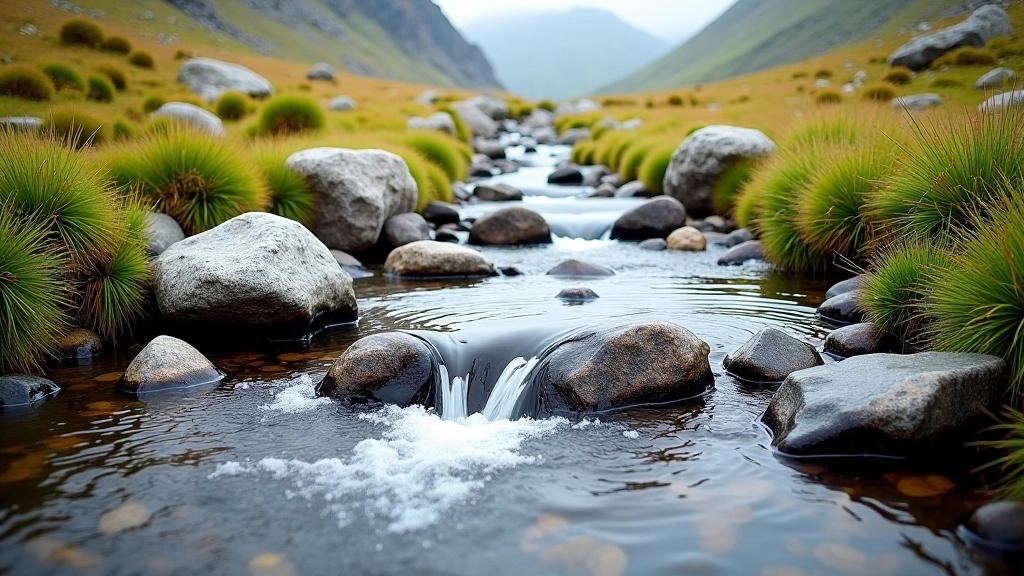
- Stream crossings occur at 4-5 points along the trail
- Depth ranges from ankle-deep to knee-deep depending on recent rainfall
- Rocks are slippery — test your footing carefully
- Waterproof hiking boots or gaiters recommended
- Heavy rain can make crossings impassable; check weather before heading out
Managing Water Crossings
This is the part that stops people. The stream crossings aren't dangerous if you're careful. The trick is finding the shallowest point — it's rarely straight across. Look upstream and downstream for a better crossing. Most people spot a natural path. Don't rush. If you're nervous, sit down and remove your boots, wade across with a walking pole for balance, then put them back on the other side. It takes 5 minutes but keeps your feet dry.
The water's cold. We're talking snowmelt from the peaks. It's refreshing in July, shocking in May. Trekking poles aren't essential but they help tremendously with stability. You'll see most hikers carrying them, and they're not overkill — they genuinely make crossings safer and easier.
Physical Fitness & Pacing
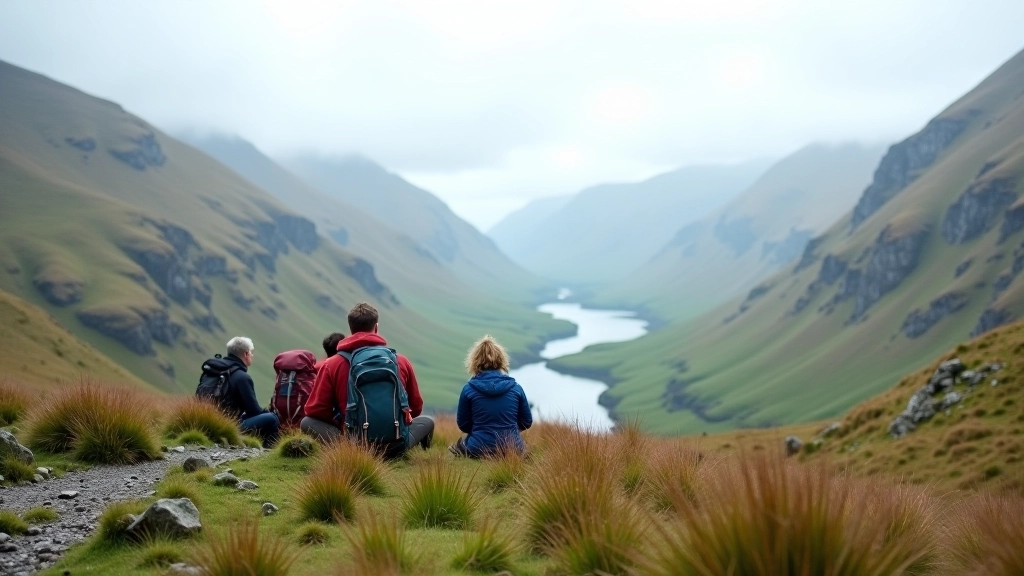
You don't need to be a fell runner to complete this. You need reasonable cardio fitness — if you can walk 5 kilometers at a steady pace without struggling, you'll manage the Gap. The elevation gain is gradual; there's no single brutal climb. Most of the walk is undulating terrain rather than steep sections. But the 6.5-kilometer distance combined with rocky ground means you'll be working for 3-4 hours straight. That's mentally and physically tiring.
Pace yourself. Lots of people race the first hour then hit a wall. The views don't change if you walk slower. Stop, breathe, enjoy the silence. Bring enough water and snacks. Energy gels, energy bars, dried fruit — whatever keeps you going. A banana and peanut butter sandwich halfway through is completely legitimate fuel.
Final Thoughts
The Gap of Dunloe lives up to the hype. It's genuinely one of Ireland's best day hikes — raw, beautiful, and challenging without being extreme. You'll see why people come back year after year. The key is being prepared: proper boots, weather awareness, and realistic expectations about the water crossings. Go midweek if you can, start early, bring more water than you think you'll need, and don't skip the sunscreen. Weather changes fast in the mountains. What looks clear at 8 a.m. can be cloudy and windy by noon. That's normal. It's still spectacular. You won't regret it.