Hiking Guide
What to Pack for Valley Hiking
Essential gear, clothing, and navigation tools to prepare for mountain walks in Kerry's valleys

Start Smart on the Trail
Valley hiking isn't just about showing up with enthusiasm — it's about being prepared. The right gear makes the difference between a day you'll remember fondly and one you'll spend uncomfortable and frustrated. We've compiled everything you need to know about packing for mountain walks in Kerry's valleys, whether you're tackling the Gap of Dunloe or exploring quieter lakeside routes.
The good news? You don't need expensive equipment or a massive backpack. What you do need is the right combination of items that'll keep you dry, comfortable, and safe from mile one to the last step back to the carpark.
The Packing Rule
Pack layers, not bulk. Irish mountain weather changes fast — you'll want to add or remove clothing every 30-45 minutes on an active walk.
Clothing Layers: The Foundation
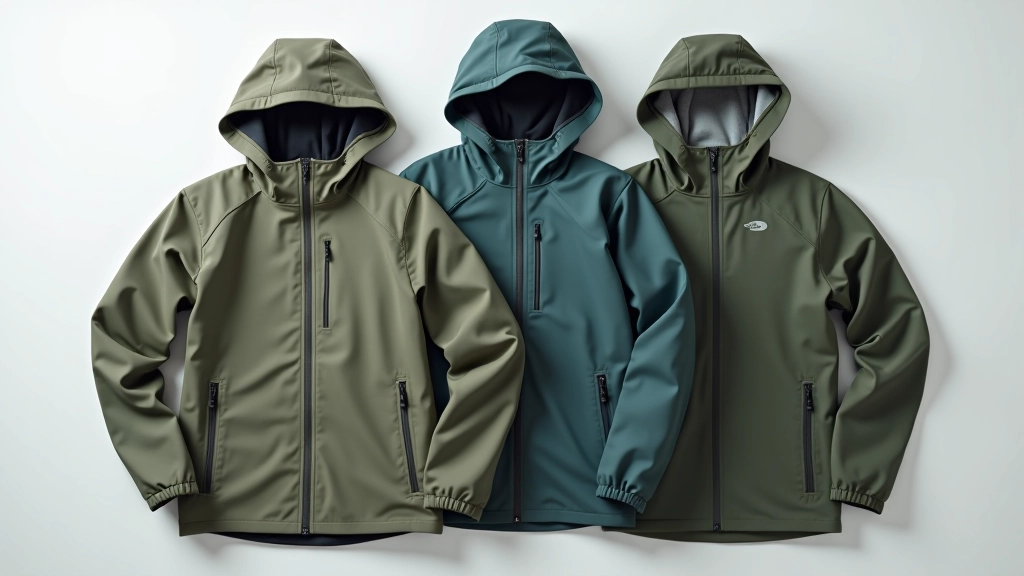
Your clothing strategy matters more than the brand of your boots. The layering system is simple: base layer (moisture-wicking), insulating layer (warmth), and outer shell (windproof/waterproof).
Base Layer
Merino wool or synthetic materials work best. Cotton's your enemy on the trail — it absorbs sweat and takes forever to dry. A lightweight merino base layer (around 150-200gsm) handles most conditions. You're not looking at luxury here; a good base layer costs €25-40 and'll last you years.
Insulation Layer
A mid-weight fleece or lightweight down jacket works brilliantly. Fleece packs down small, dries quickly, and works even when wet — which matters in Kerry. Down is lighter and more packable but loses insulation if it gets soaked. Most hikers here opt for synthetic insulation as a compromise.
Outer Shell
You need waterproof and windproof in one piece. A quality rain jacket isn't optional — it's essential. Look for something with taped seams and pit zips so you can vent heat when you're working hard on the climb. Pack it regardless of the forecast.
Footwear and Foot Protection
Your feet carry you 8-12 kilometers on these walks. They deserve proper attention.
Boots
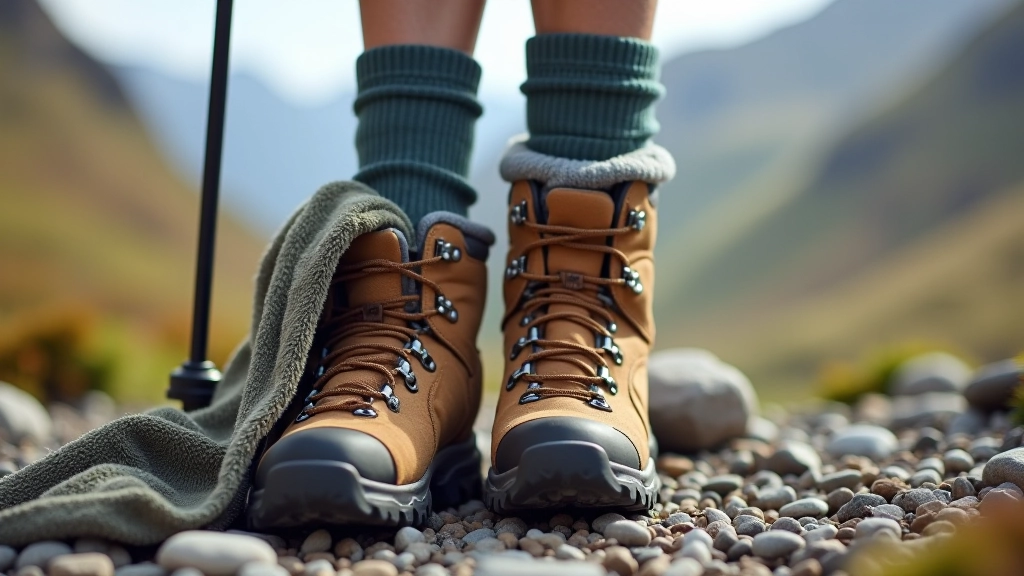
Waterproof hiking boots with ankle support beat trainers every time. You'll encounter wet grass, boggy sections, and loose rocks. A decent pair runs €80-150 and'll last 2-3 seasons if you care for them. Break them in at home first — the last thing you need is blisters on a 10-kilometer walk.
Socks
Two pairs of thick merino or wool-blend hiking socks. Cotton socks cause blisters. Wool works when wet and regulates temperature better. Some hikers bring a spare pair to change into at the midpoint — sounds silly until you've walked on wet socks for three kilometers.
Extras
Gaiters keep mud and water out of your boot tops. Trekking poles aren't essential, but they reduce knee strain on descents and give your arms a workout on climbs. If you're over 40 or have any knee history, they're worth the €30-50 investment.
Navigation and Safety Gear
Getting lost isn't romantic — it's uncomfortable and potentially dangerous. Valley walks can have multiple trail junctions where one wrong turn adds an hour to your day.
Navigation Tools
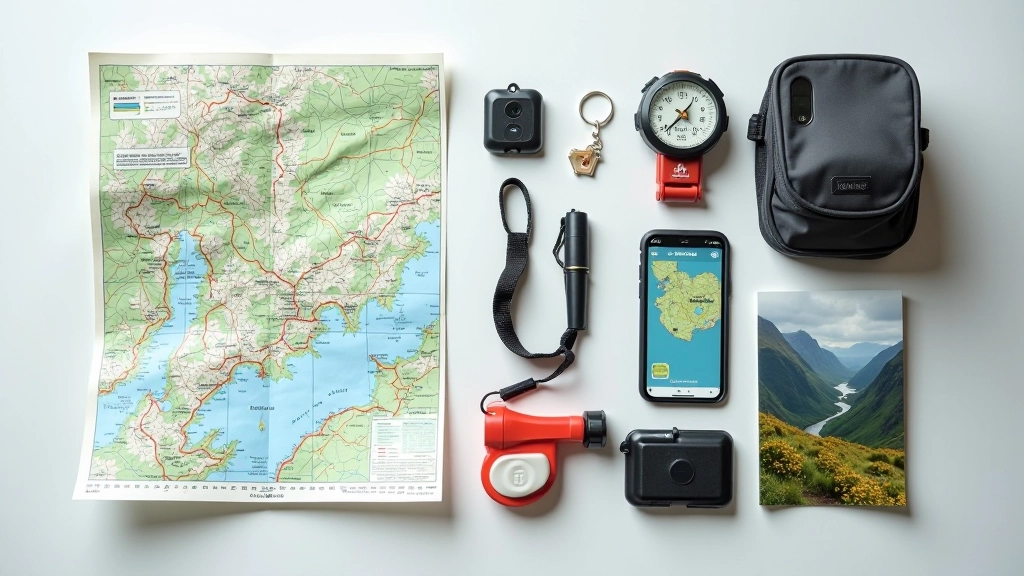
Download offline maps to your phone (AllTrails, Maps.me, or Komoot work great). Bring a paper map and compass as backup — your phone battery can die. Know your route before you start. Most people spend 30 seconds studying the map at the carpark, then wonder why they're confused at the fork.
Safety Essentials
A basic first aid kit (plasters, painkillers, blister treatment). A whistle — costs €2, weighs nothing, saves lives if you twist an ankle. A headtorch or phone torch, even on daytime walks. Sunscreen and insect repellent. An emergency contact card in your pocket with someone who knows where you're hiking.
Tell someone where you're going and when you'll be back. Seriously. Not via text you send at the carpark — actually tell them the route and expected return time.
Hydration, Fuel, and Pack Essentials
Your body needs fuel and water. Don't try to be tough about this — dehydration ruins walks and clouds your judgment on the trail.
Water
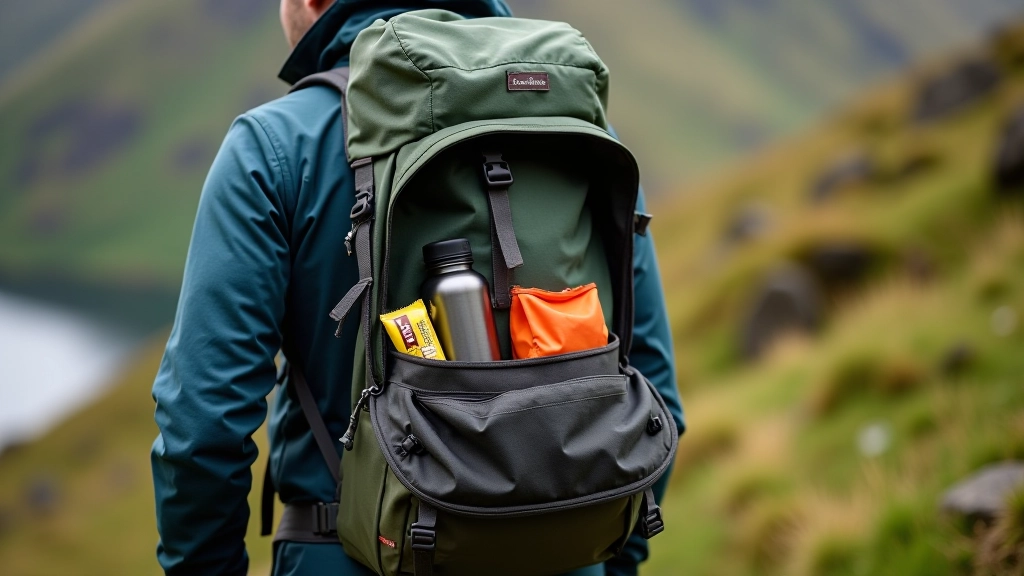
A 1.5-liter hydration pack or water bottle minimum. For walks over 4 hours, bring 2 liters. Drink regularly — small sips every 15 minutes beat waiting until you're thirsty. Thirsty means you're already dehydrated. Mountain streams look clean but aren't always safe to drink from, so fill up before you leave.
Food
Pack more than you think you'll eat. Trail snacks should be high-energy: nuts, energy bars, dried fruit, chocolate, peanut butter sandwiches. You'll burn 500+ calories on a 2-hour moderate hike. A proper lunch (sandwich, fruit, nuts) keeps you going on longer walks. Don't skip breakfast before heading out.
The Backpack
A 25-35 liter pack works for most valley hikes (4-6 hours). Heavier items go in the center, close to your back. Weight should sit on your hips, not your shoulders. An ill-fitting pack ruins your walk faster than bad weather. Many outdoor shops let you test packs before buying.
Your Pre-Walk Checklist
Print this out or screenshot it. Use it every time.
Clothing & Footwear
- Base layer (merino or synthetic)
- Insulating layer (fleece or down)
- Waterproof jacket
- Waterproof trousers
- Hiking boots (broken in)
- Two pairs hiking socks
- Hat and gloves
- Sunglasses
Navigation & Safety
- Offline maps downloaded
- Paper map and compass
- Phone fully charged
- Headtorch
- First aid kit
- Whistle
- Sunscreen
- Insect repellent
Fuel & Extras
- Water (1.5-2 liters)
- Lunch or packed food
- Energy snacks
- Properly fitting backpack
- Gaiters (optional)
- Trekking poles (optional)
- Camera
- Emergency contact info
Ready for the Trail
Proper packing isn't about having every gadget on the market. It's about having what you need to stay comfortable, safe, and enjoying yourself for the full duration of your walk. Start with the essentials, test them on shorter walks, then refine based on what you actually used.
Valley hiking in Kerry rewards preparation. When you're climbing into the Gap of Dunloe with proper layers and your feet are dry and you've got water and food, that's when the landscape really hits you. That's when you understand why people come back to these hills again and again.
You're not just packing a bag — you're setting yourself up for a genuinely good day outdoors. That matters.
Important Information
This article is informational guidance based on hiking best practices and common experience on Kerry's valley trails. Individual circumstances vary significantly based on fitness level, experience, specific routes, and weather conditions. Always check current weather forecasts before heading out. If you're new to hiking, consider walking with an experienced friend or guide on your first outing. Mountain weather changes rapidly — what's sunny at the carpark can become dangerous within an hour. Use judgment and don't push beyond your fitness level.
Explore More Valley Walks